
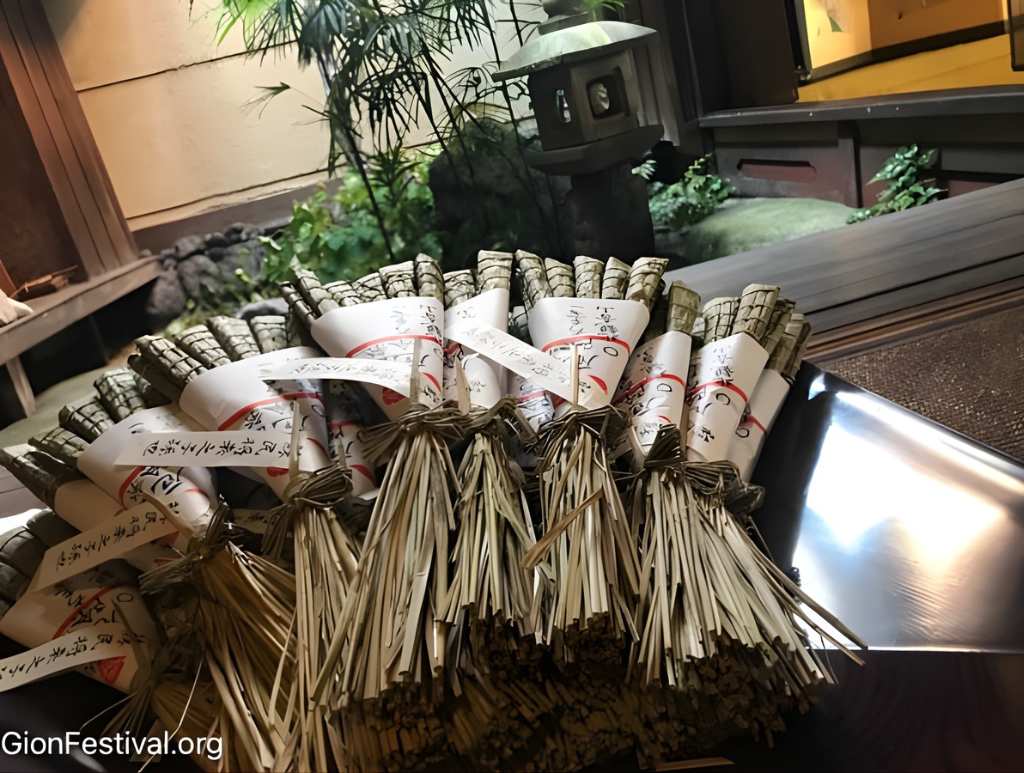
Chimaki await gifting in Mumeisha, a private home in the Kita Kannon Yama neighborhood.
At Kyoto’s Gion Matsuri, nearly every elaborately decorated festival float (called yamaboko) sells chimaki—paddle-shaped talismans of carefully tied, folded, and dried plant material. But what are chimaki, and why would anyone want one?
For starters, chimaki are a classic Gion Matsuri tradition and souvenir. More importantly, chimaki have protected people from harm for centuries.
Gift of Protection from Japanese Deities
One legend tells of Gion Matsuri’s patron deity, Susano-o-no-Mikoto (Japan’s god of storms), seeking shelter from a wealthy man who refused him. The man’s brother, Somin Shōrai, was poor but welcomed Susano-o anyway.
The next morning, Susano-o gave Somin Shōrai a small loop of braided grasses to wear on his waist as protection. When an epidemic came, Somin Shōrai and his family survived unscathed. Generosity brings rewards—and gives deeper meaning to Gion Festival chimaki.
Some say chimaki came from Gozu Tennō, “the Ox-Headed Emperor.” Considered two manifestations of the same deity, both Susano and Gozu Tennō connect to Yasaka Shrine, the festival’s patron shrine. Gozu Tennō links to Korea’s “Ox-Head Mountain” and to Yama or Yamantaka, the ox-headed Lords of Death in Hinduism and Buddhism.
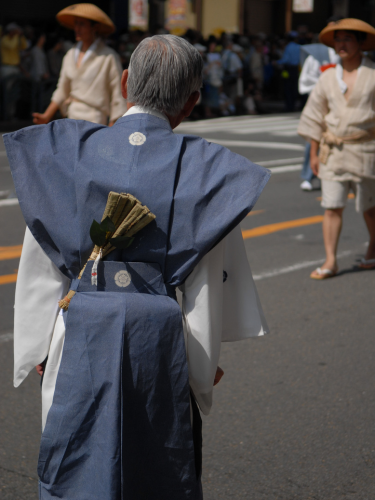
Echoes of Somin Shōrai during the Saki Matsuri yamaboko junko procession.
Chimaki and Night Crawling
A Gion Festival patron explained that Gozu Tennō went “night crawling”—a pre-electricity tradition throughout Asia when men consensually but clandestinely visited women at night. “He would leave a chimaki to protect the woman and her family from epidemics. People wanted
chimaki.”
A chimaki talisman from a deity who influences the space between life and death feels precious indeed.
Today’s festival chimaki descend from these traditions. Most bear decorative paper reading “Descendants of Somin Shōrai.” You’ll see chimaki guarding front doors of homes and apartments throughout Kyoto. A former Yasaka Shrine head priest compared Gion Matsuri’s chimaki tradition to the Biblical Exodus story, where Israelites marked doors for protection from plague.
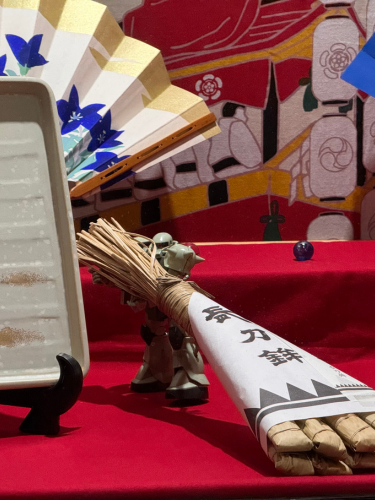
Artistic depictions of chimaki show us how beloved they are. They, too, include the line “Descendants of Somin Shōrai.”
What Are Chimaki Made Of?
Chimaki consist of kumazasa bamboo grass, igusa rush grass, and rice leaves—plants with deep ties to chimaki and Gion Festival history. They also have impressive protective qualities: kumazasa is medicinal and anti-bacterial, igusa purifies air, and rice is sacred nourishment.
Japan’s Shintō (literally, “Path of the Spirits”) tradition holds that every natural object—river, boulder, waterfall, or plant—has a spiritual entity. So each chimaki ingredient would too.
Do these plants purify us as we enter a house with chimaki hung at the door? Or do their spirits? If we believe it “works,” does it? Given the power of our minds and the mysteries of existence, these are intriguing concepts.
Yummy Nama Chimaki
Nama (uncooked) chimaki is a sweet, glutinous rice treat available in summer at some floats—I enjoyed one at Iwato Yama—traditional food shops , department store basement markets, and supermarkets. With soft, fresh leaves, it’s actually edible.
If the chimaki grass is dried, don’t eat it—there’s just more dried grass inside! Instead, hang it over your front door as part of the Gion Festival chimaki tradition, to keep away negative energy.
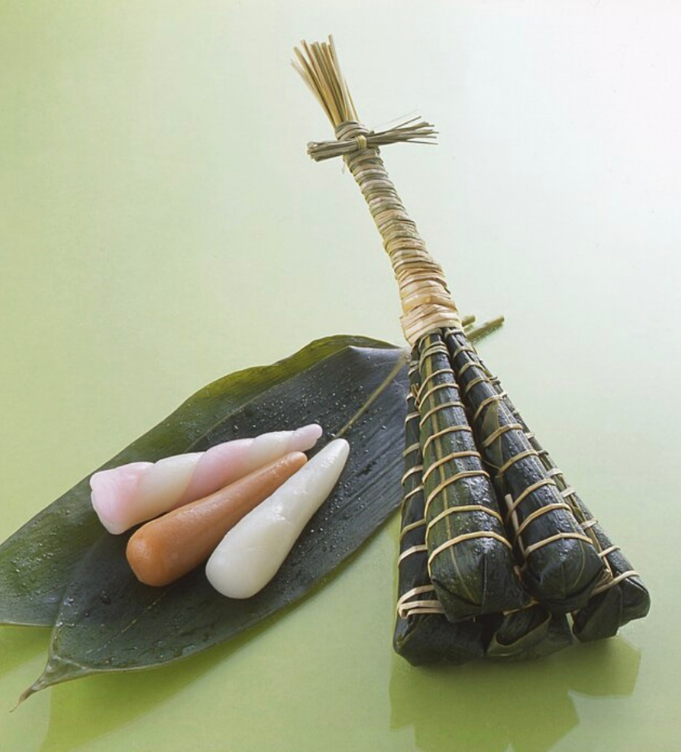
Nama chimaki are a delicious summer delicacy. Image courtesy of Tawaraya Yoshitomi traditional sweets shop.
Economic Powerhouse
Chimaki’s other superpower? Supplying economic might to the yamaboko floats. In 2019, northern Kyoto villagers who make chimaki reached full production capacity, unable to meet growing demand.
Then the pandemic hit. The 2020 Gion Matsuri scaled back to minimal rituals. Chimaki sales collapsed, putting the artisans, their community, and the festival itself in financial straits.
A very traditional community in a very traditional city, Gion Festival participants were slow to embrace the internet. The pandemic changed that.
In 2021, chimaki sales went online as an emergency measure. Not only did online sales revive revenue,it helped yamaboko floats build stronger internet presences. This increased commercialism, but also boosted education and reduced congestion from festival purchase lines.
In 2022, the first normal post-COVID Gion Festival took place, though fears about contagion remained high. No one knew how many visitors might come.
One large hoko sold all 300,000 chimaki well before the sales period ended. At JPY1000-2000 each, that’s JPY 300-600 million in revenue for one float. “We should have bought more,” the managing director sighed.
Some smaller floats may only sell around a hundred chimaki. Purchasing from them helps their communities maintain financial self-determination, independent of government subsidies and their directives.
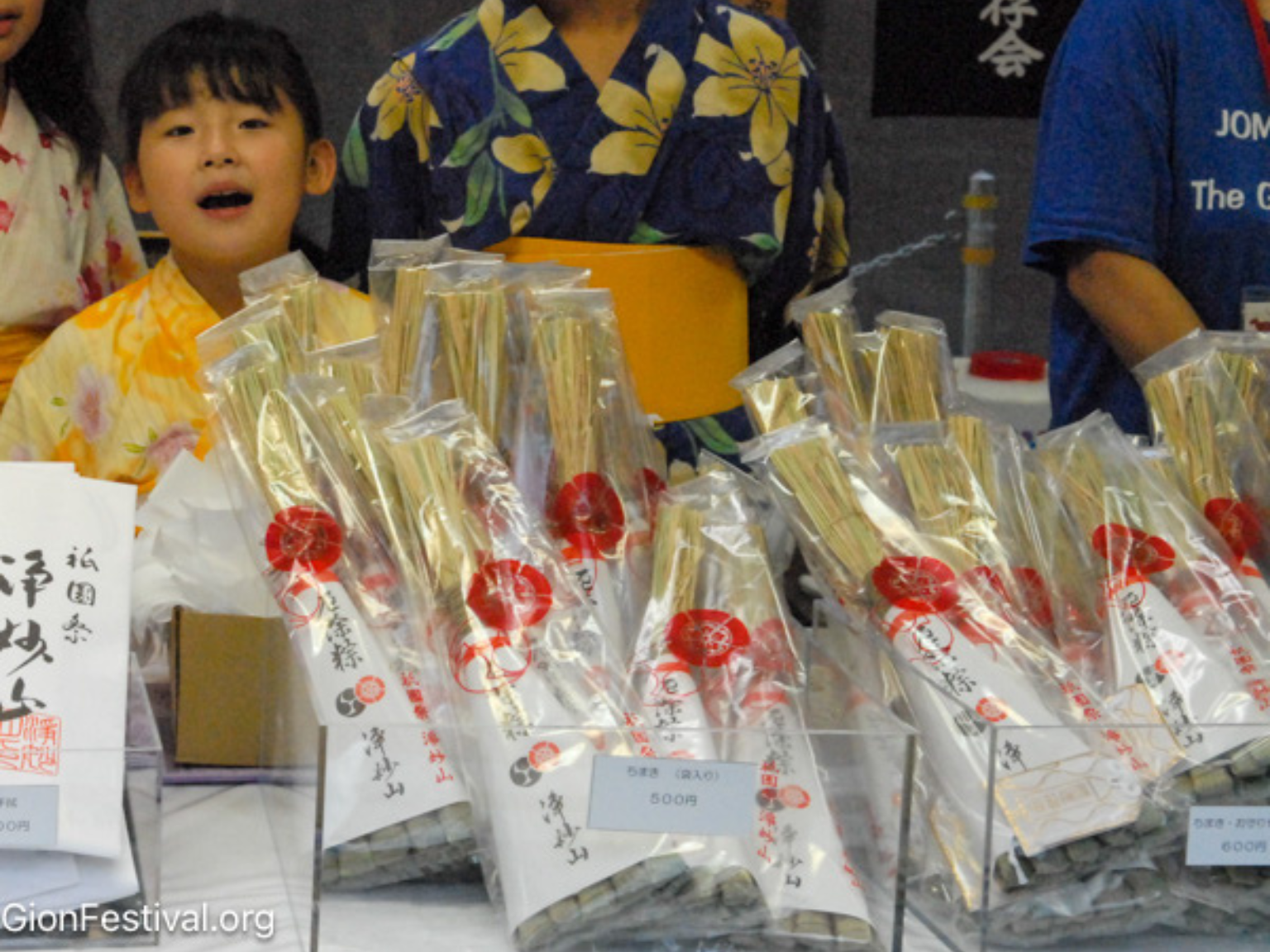
Chimaki sales are an important source of revenue for yamaboko float neighborhoods. The Gion Festival builds important community ties for residents who participate. Jōmyō Yama.
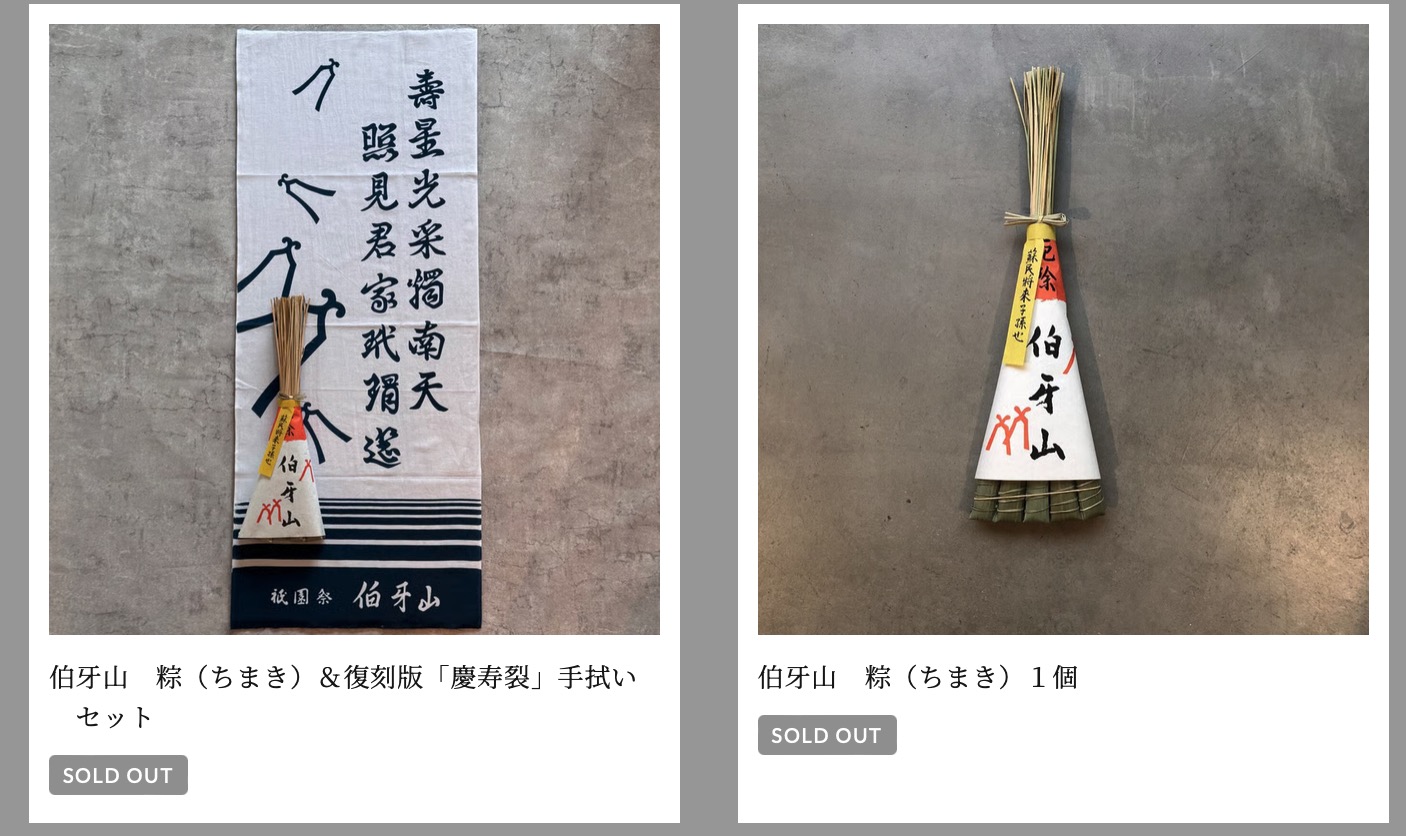
Like many yamaboko floats, Hakuga Yama’s online store sold out of chimaki in 2025.
Honoring Traditional Crafts and Community
Farmers and craftspeople from northern Kyoto have made chimaki for generations, though urban sprawl has absorbed their former village in recent decades. Once abundant, chimaki plants are now threatened by suburban development, reducing wildlife’s food sources too.
Launched in 2012, GionFestival.org is the second-oldest site on the Gion Festival, only after that of the Yamaboko Floats Association (Yamaboko Rengokai).
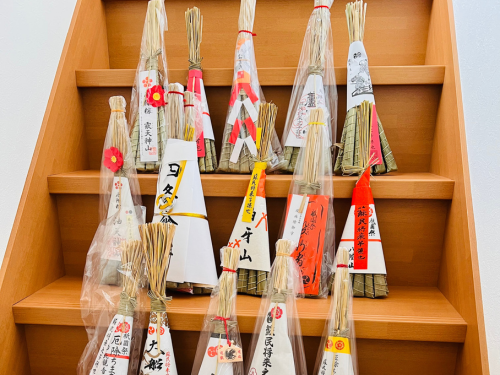
Given chimakis’ financial value, younger generations want a greater share of chimaki revenue to benefit their community. Older generations appreciate continuing traditions as they are. Natural resources are dwindling. Sound familiar? These challenging dynamics exist worldwide.
This raises sustainability questions. What does a generative Gion Matsuri look like? How can we be the change we’d like to see in the world, so future generations can enjoy the festival as we do?
We all have the power to help the Gion Matsuri and the planet enjoy a brighter future. We can carry our own water bottles and chopsticks. Purchase at a small float to grow their financial independence. Recycle. Honor local artisans. These are ways to participate in the festival, being part of the Gion Matsuri traditions’ health rather than just observing.
The change our planet is calling for starts with how we show up. And showing up with intention for goodness brings joy.
If you enjoyed this blog, you’ll enjoy my book even more. It’s the best resource available on Kyoto’s extraordinary Gion Festival. Click here to buy or download an excerpt, gifted to you in honor of sacred economics.
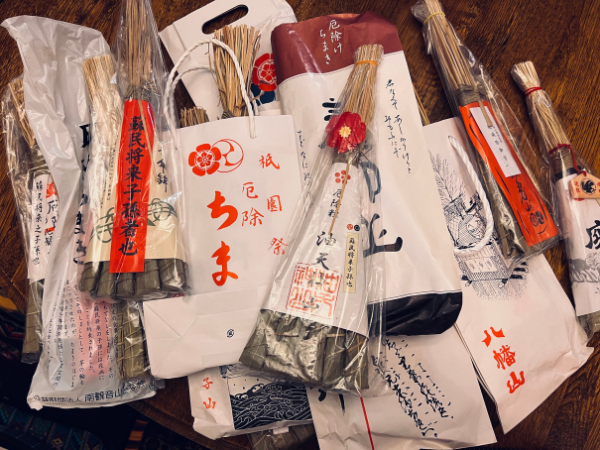
Chimaki make cherished gifts: I received these when I published my book on the Gion Matsuri.
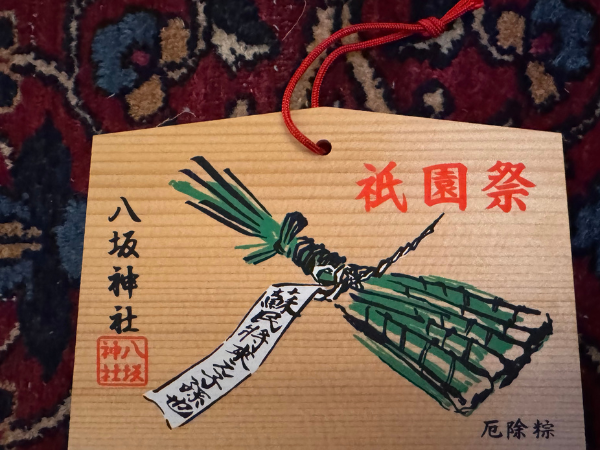
Gion Matsuri chimaki on an ema prayer tablet from Yasaka Shrine, probably for prayers for protection from harm. The writing on the white tag reads: “Descendants of Somin Shōrai.”